Early Signs of Cataract You Should Never Ignore
Your eyes help you experience the beauty of the world every day, but many eye conditions develop gradually and often go unnoticed until they begin affecting daily life. Cataract is one of the most common causes of vision loss, especially among older adults. The good news is that cataracts can be effectively treated when diagnosed early.
Many people believe cataracts appear suddenly, but in reality, they usually develop slowly over time. Recognizing the early signs of cataract can help you seek timely treatment and prevent significant vision impairment.
If you are looking for expert Cataract Treatment in Lucknow, consulting an experienced eye specialist can help preserve your vision and improve your quality of life.
What is a Cataract?
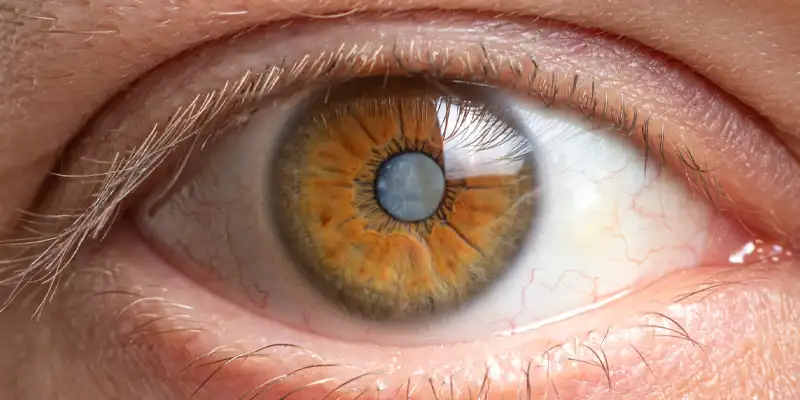
A cataract occurs when the natural lens inside the eye becomes cloudy. Normally, the lens is transparent and helps focus light onto the retina, allowing you to see clearly. As the lens becomes cloudy, light cannot pass through properly, resulting in blurred or dim vision.
Cataracts commonly develop due to aging but can also occur because of diabetes, eye injuries, prolonged steroid use, excessive UV exposure, or certain medical conditions.
10 Early Signs of Cataract You Should Never Ignore
1. Blurred or Cloudy Vision
One of the earliest symptoms of cataract is blurred or cloudy vision. Many people describe it as looking through a foggy window or a dirty camera lens. Reading, watching television, or recognizing faces may become increasingly difficult.
2. Difficulty Seeing at Night
If driving or walking at night has become more challenging, cataracts may be the reason. Reduced night vision is one of the most common early warning signs.
3. Increased Sensitivity to Light
People with cataracts often become more sensitive to bright sunlight, vehicle headlights, or indoor lighting. Glare may cause discomfort and interfere with daily activities.
4. Halos Around Lights
Seeing rings or halos around lights, especially while driving at night, can indicate that the eye’s natural lens is becoming cloudy.
5. Frequent Changes in Eyeglass Prescription
If your glasses or contact lenses seem to stop working after only a short time and your prescription changes frequently, cataracts may be affecting your vision.
6. Colors Appear Faded or Yellow
As cataracts progress, colors may lose their brightness. White objects may appear yellowish, and distinguishing between similar colors may become difficult.
7. Double Vision in One Eye
Some people experience double vision in only one eye during the early stages of cataract development. This symptom should always be evaluated by an eye specialist.
8. Difficulty Reading Small Print
Reading newspapers, books, or mobile phone screens may require brighter lighting or larger text than before.
9. Poor Contrast Vision
Objects may appear less sharp, making it difficult to distinguish them from their background, particularly in dim lighting.
10. Vision That Gradually Gets Worse
Unlike eye infections that develop suddenly, cataracts usually cause a slow, progressive decline in vision. Many people adapt to the changes without realizing their eyesight is deteriorating.
Who is at Higher Risk of Cataract?
Although cataracts are most common in older adults, certain factors can increase the risk:
- Age above 60 years
- Diabetes
- High blood pressure
- Smoking
- Excessive alcohol consumption
- Long-term steroid use
- Previous eye injury
- Family history of cataracts
- Excessive exposure to sunlight
- Previous eye surgery
Regular eye examinations become increasingly important if you have any of these risk factors.
When Should You See an Eye Specialist?
Consult an eye specialist if you experience:
- Persistent blurred vision
- Difficulty driving at night
- Increased glare from lights
- Frequent changes in spectacles
- Double vision
- Difficulty reading
- Reduced quality of vision affecting daily activities
Early diagnosis allows your doctor to monitor the condition and recommend the most appropriate treatment.
How is Cataract Diagnosed?
A comprehensive eye examination usually includes:
Vision Assessment
Measures how clearly you can see at different distances.
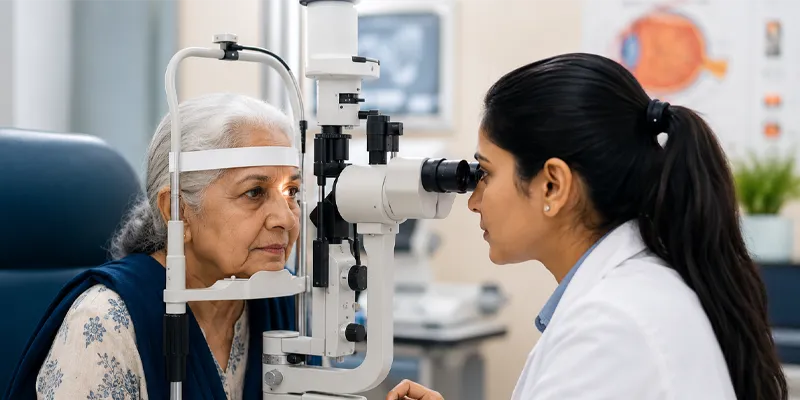
Slit-Lamp Examination
Allows the ophthalmologist to examine the lens, cornea, and other structures of the eye in detail.
Dilated Eye Examination
Special eye drops widen the pupil so the doctor can evaluate the retina and lens more thoroughly.
These painless tests help determine the severity of the cataract and whether surgery is required.
Can Cataracts Be Treated Without Surgery?
In the early stages, updated glasses, brighter lighting, and lifestyle modifications may temporarily improve vision. However, there are currently no medicines or eye drops that can remove a cataract.
Once the cataract significantly affects daily activities, surgery is the most effective treatment.
Cataract Surgery – A Safe and Effective Solution
Modern cataract surgery is one of the safest and most successful surgical procedures performed worldwide.
During the procedure:
- The cloudy natural lens is removed.
- A clear artificial intraocular lens (IOL) is implanted.
- The surgery is usually completed within a short time.
- Most patients return home the same day.
- Vision gradually improves during recovery.
Advances such as phacoemulsification and premium intraocular lenses have made cataract surgery highly precise, with faster recovery and excellent visual outcomes.
Tips to Protect Your Eye Health
While cataracts cannot always be prevented, these habits may help maintain healthy vision:
- Schedule regular eye examinations.
- Wear UV-protective sunglasses outdoors.
- Control diabetes and blood pressure.
- Eat a balanced diet rich in leafy vegetables and fruits.
- Avoid smoking.
- Maintain a healthy lifestyle.
- Protect your eyes from injury.
- Follow your doctor’s advice regarding long-term medications.
Why Choose Vinayak Netralaya for Cataract Treatment in Lucknow?
At Vinayak Netralaya, patients receive comprehensive eye care using advanced diagnostic technology and modern surgical techniques.
Why patients trust us:
- Experienced Cataract Surgeon
- Advanced Phaco Cataract Surgery
- Premium Intraocular Lens Options
- Comprehensive Eye Examination
- Modern Surgical Equipment
- Personalized Treatment Plans
- Patient-Centred Care
- Focus on Safety and Visual Outcomes
Our goal is to help every patient achieve clearer vision and an improved quality of life through compassionate, evidence-based eye care.
Frequently Asked Questions
Can cataracts cause blindness?
If left untreated for a long time, cataracts can lead to severe vision loss. Fortunately, cataract surgery is highly effective in restoring vision in most cases.
At what age do cataracts usually develop?
Most age-related cataracts begin after the age of 60, although they can develop earlier due to diabetes, trauma, or other medical conditions.
Is cataract surgery painful?
Cataract surgery is usually performed under local anesthesia, and most patients experience little to no pain during the procedure.
How long does recovery take?
Many patients notice improved vision within a few days, although complete healing may take several weeks depending on individual circumstances.
Can cataracts return after surgery?
No. Once the cloudy natural lens is removed, it does not grow back. However, some patients may develop posterior capsule opacification (PCO), which can be treated with a quick laser procedure if needed.
Conclusion
Cataracts develop gradually, making it easy to overlook the early warning signs. Blurred vision, glare, difficulty seeing at night, and frequent changes in glasses should never be ignored. Early diagnosis allows timely treatment and helps preserve your vision.
If you or a loved one are experiencing symptoms of cataract, consult an experienced eye specialist for a comprehensive evaluation. With modern cataract surgery, clearer vision and a better quality of life are achievable for most patients.